This site sets no cookies. It only remembers your language and this choice in your browser. Optional content from other sites, such as the map, loads only if you accept. Details
News & blog
Notes from the gardens and the archive.
Short, occasional, written by whoever on the committee has something worth saying that month.
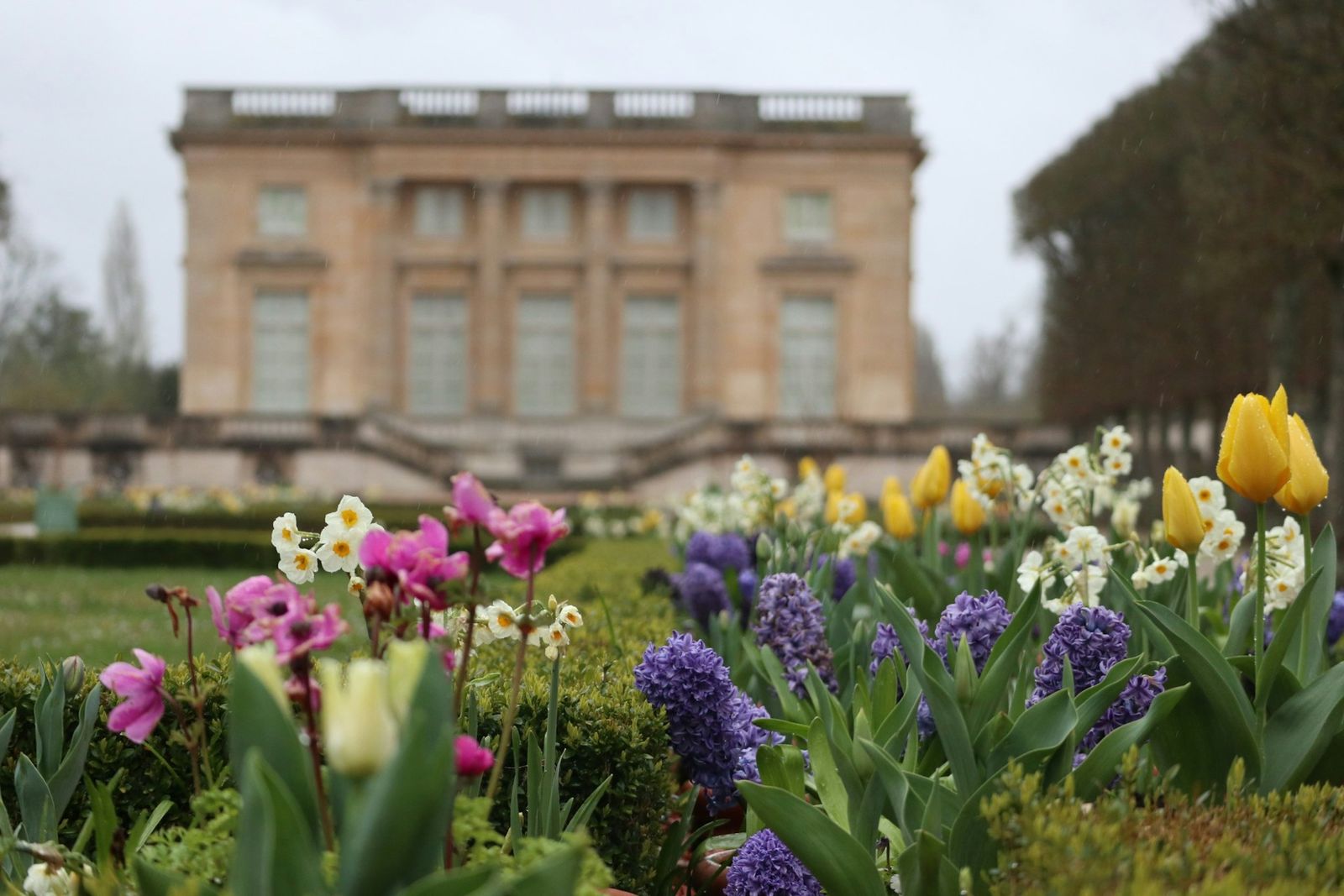
October is bulb month. This autumn our volunteers and apprentices are planting about 4,000 tulip and narcissus bulbs in the borders of the parterres we look after, following the colour plans the garden team draws up each spring. Bulbs go in now so that their roots form before the ground gets cold: the display you see in April is decided on a few muddy Saturdays in autumn. If you would like to help, the next Garden Saturdays are on 10 October and 14 November.
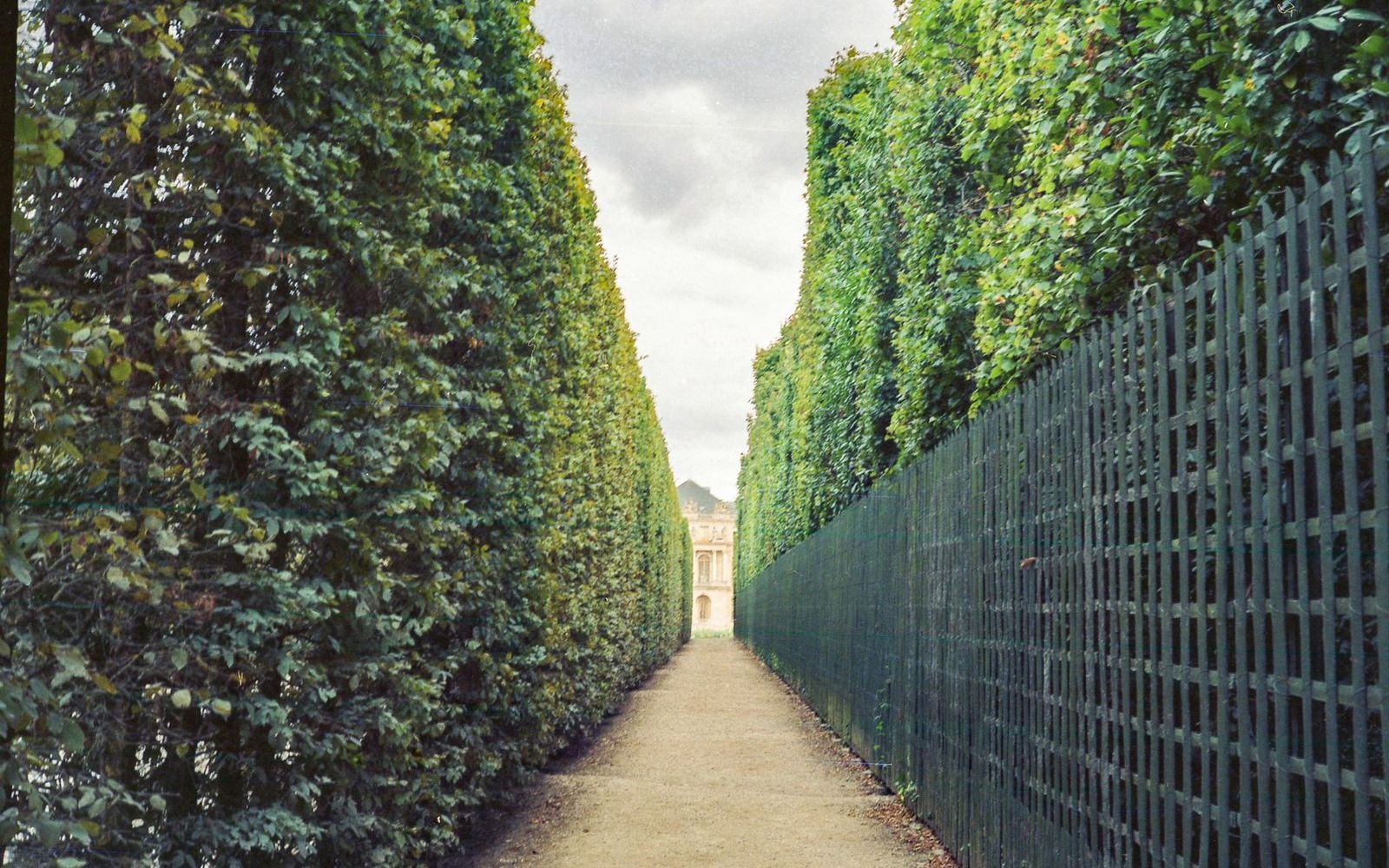
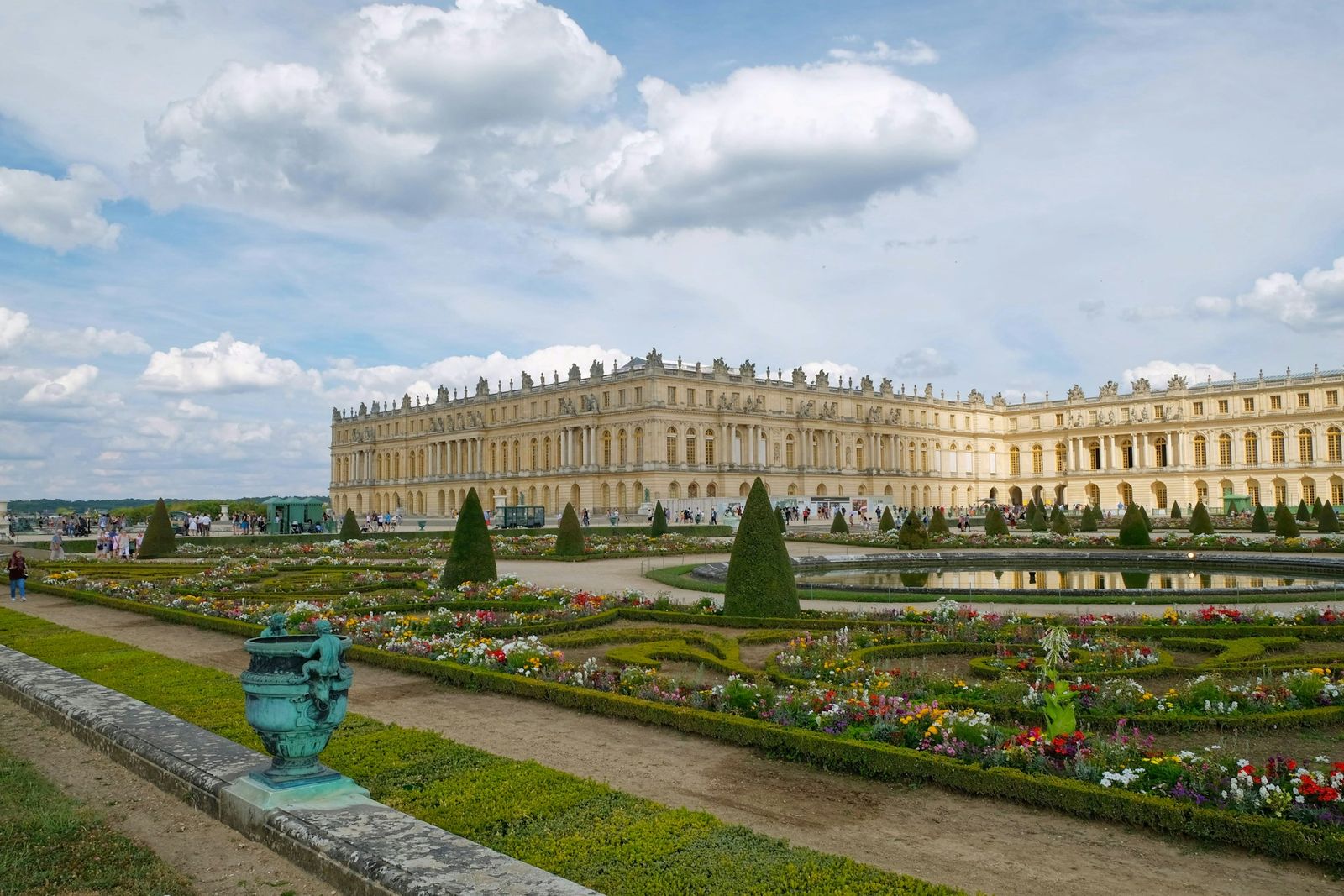
The parterres alone need two full trims a year to keep their edges sharp, done largely by hand where machinery can't follow the curves. In 2025 the box hedges cost us €28,600 of the €75,400 we spent on garden maintenance: €17,900 for the trims (apprentice and contractor hours), €7,800 to replace sections lost to box blight and box tree moth caterpillars, and €2,900 for tools and green-waste removal. Garden maintenance as a whole was just over half of everything we spent (see the Impact page), and it is the biggest reason membership dues exist at all.
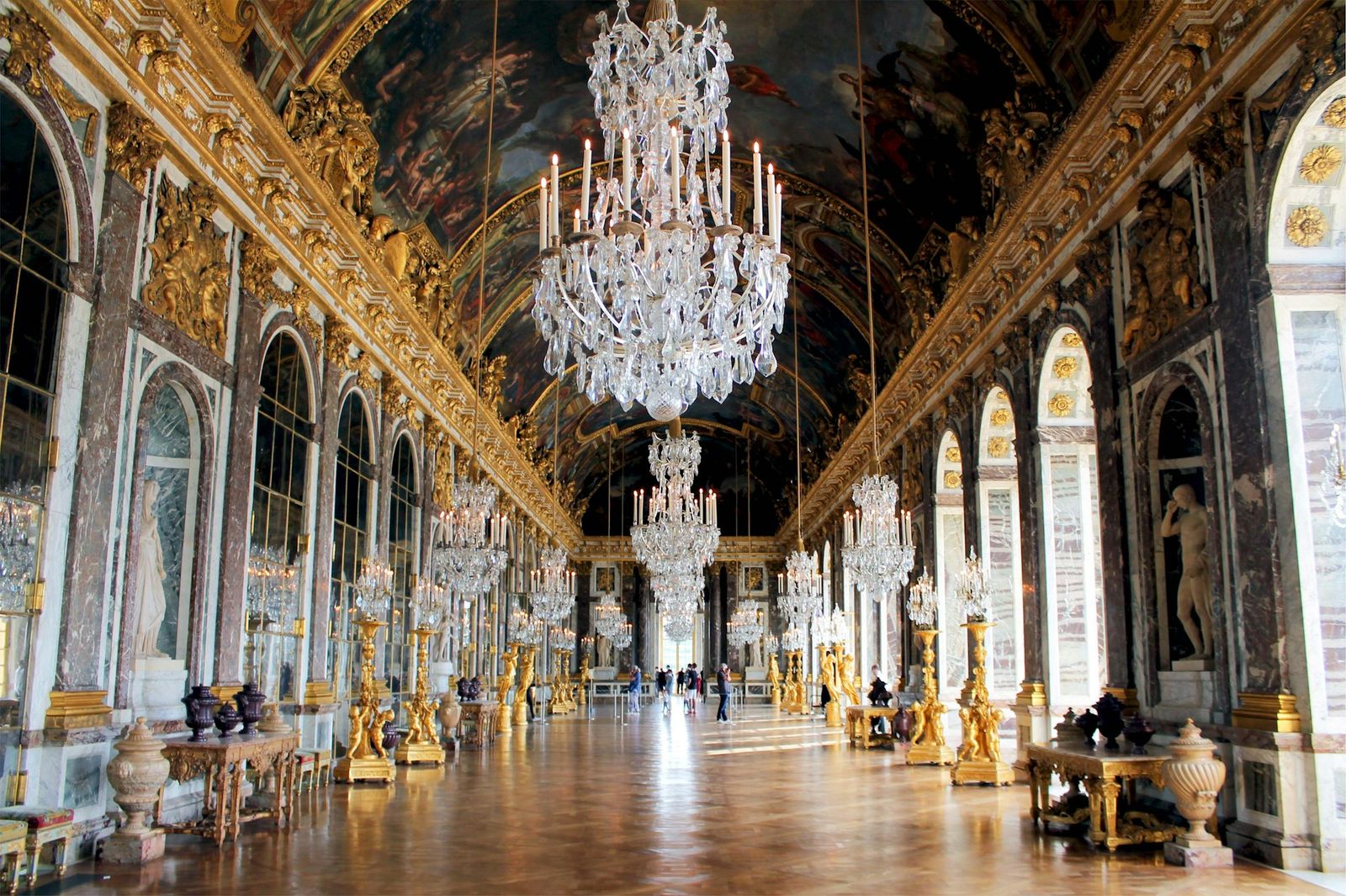
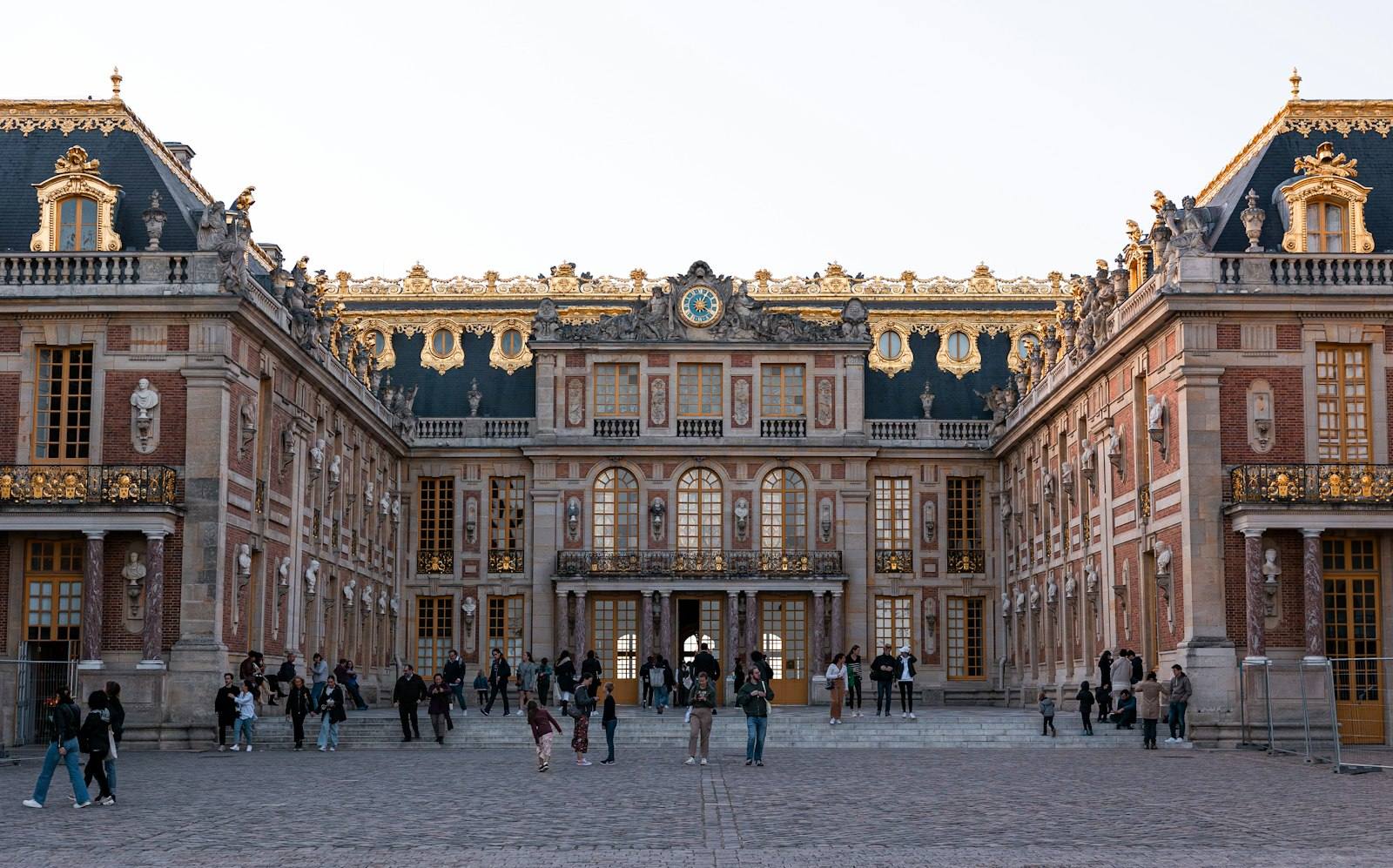
Restoration over the centuries means not all of the Hall of Mirrors is from the original 1680s installation. During the 2004–2007 restoration, the restorer in charge of the mirrors estimated that about 70% of them dated from the hall's opening in the 17th century, and 48 damaged ones were replaced with mirrors from the same period. Glass-making techniques changed enough over three hundred years that a trained eye can sometimes tell which panel is which by how the surface catches light. Our archive volunteers have been slowly cross-checking old restoration records to work out exactly which ones, mostly out of stubbornness.
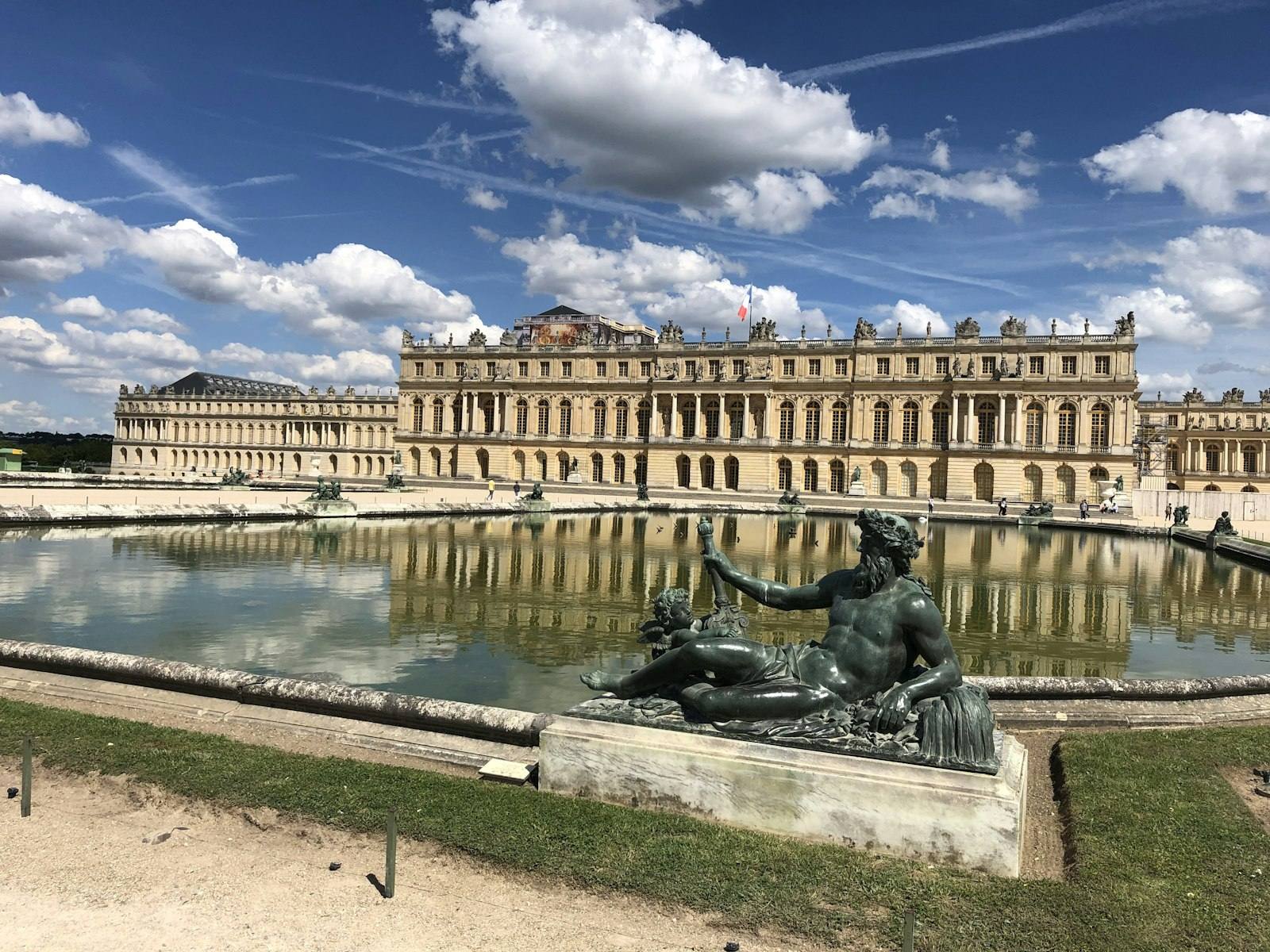
It isn't cost-cutting, even though it looks like it. Water was always short at Versailles: in the 17th century workers switched jets on just ahead of wherever the king happened to be walking, signalled by a whistle. Today the network of reservoirs and gravity-fed pipes laid out then is still used, but modern pumps circulate the water, and the fountains run only on show days — mostly weekends from April to November. The schedule is a direct, if gentler, descendant of that same constraint.
Less ceremony than people expect: the gates open early, before the estate opens to everyone else, a committee member gives a short, informal talk on whatever they've been researching that quarter, and then everyone just walks. No set route, no headset, no group to keep pace with — closer to being let into a friend's garden early than a guided tour. It's the reason members give most often for staying.
The royal family left Versailles for Paris on 6 October 1789, and most of the furniture stayed behind. A decree of 10 January 1793 ordered a general inventory so that it could be sold, and more than 17,000 lots were auctioned in the former apartment of the Princesse de Lamballe; the king's desk by Œben and Riesener was the only piece kept back and sent to Paris (source: Château de Versailles). This month Jean-Pierre has been comparing published extracts of those lists with the rooms as they are today. We're planning a members' talk on what they tell us about daily life in the château before the departure.
Our first garden apprentice, who joined us in 2023, was hired by the estate's own gardening team in May. It's exactly what the programme was designed for — giving someone the practical experience and connections to move into permanent horticultural work. We're now interviewing to fill her place, one of three we fund at any time, and the timing couldn't be better: the autumn bulb-planting season will need every pair of hands we can find.
Why we don't sell tickets
By Marie Laurent, Board President
We get asked this fairly often: why doesn't Versailles Vivant handle ticket sales or guided tours? The short answer is that the estate already does both, and does them at a scale we couldn't match. Our role is to fund the things that don't sell tickets — the apprentice programme, the research that goes into our talks, the garden sections that visitors rarely see. We're here to fill gaps, not duplicate what already works.
Newsletter
One email a month.
New posts and event announcements, nothing else. No emails are sent from this site.
Subscribed (demo)
In a real association we would now send a confirmation link (double opt-in). Nothing has been stored beyond your address for this demonstration.
Or follow the news in a feed reader
A feed reader app collects new posts from the sites you follow. Copy this address and add it in your reader. The feed is in English.