Explore

Explore the estate.

An estate of about 800 hectares and four centuries of building — nobody sees it all in a day. Here are six parts worth stopping for.

Photo: Unsplash

This is a members' guide, not the official visitor handbook — for tickets, hours and floor plans, the estate's own site does that properly. This one is shorter and more opinionated: six parts of Versailles, one short paragraph each, with the sources we checked.

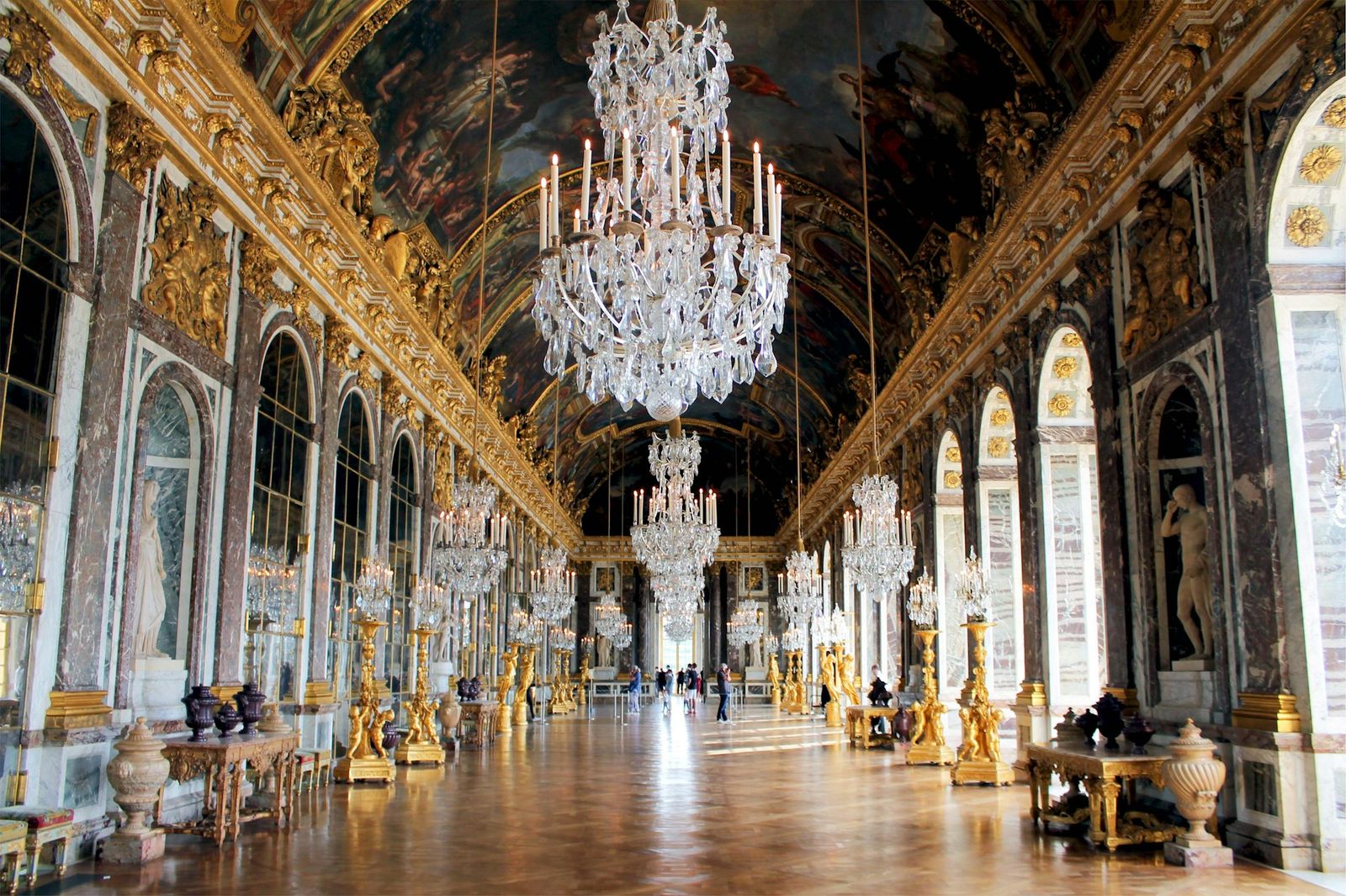
The Hall of Mirrors at Versailles
Photo: Unsplash
Entry 01

The Hall of Mirrors

Seventeen arched windows look out over the gardens; facing them, seventeen arcades are lined with 357 mirrors (21 per arcade). Built by Jules Hardouin-Mansart from 1678 to 1684, with a painted ceiling by Charles Le Brun, it was a showcase for the royal mirror manufactory Colbert had founded in 1665 to break Venice's grip on mirror-making. Not all of it is original: during the 2004–2007 restoration, the restorer in charge of the mirrors estimated that about 70% of them dated from the hall's opening in the 17th century, and 48 damaged mirrors were replaced with mirrors from the same period. The Treaty of Versailles was signed here on 28 June 1919.
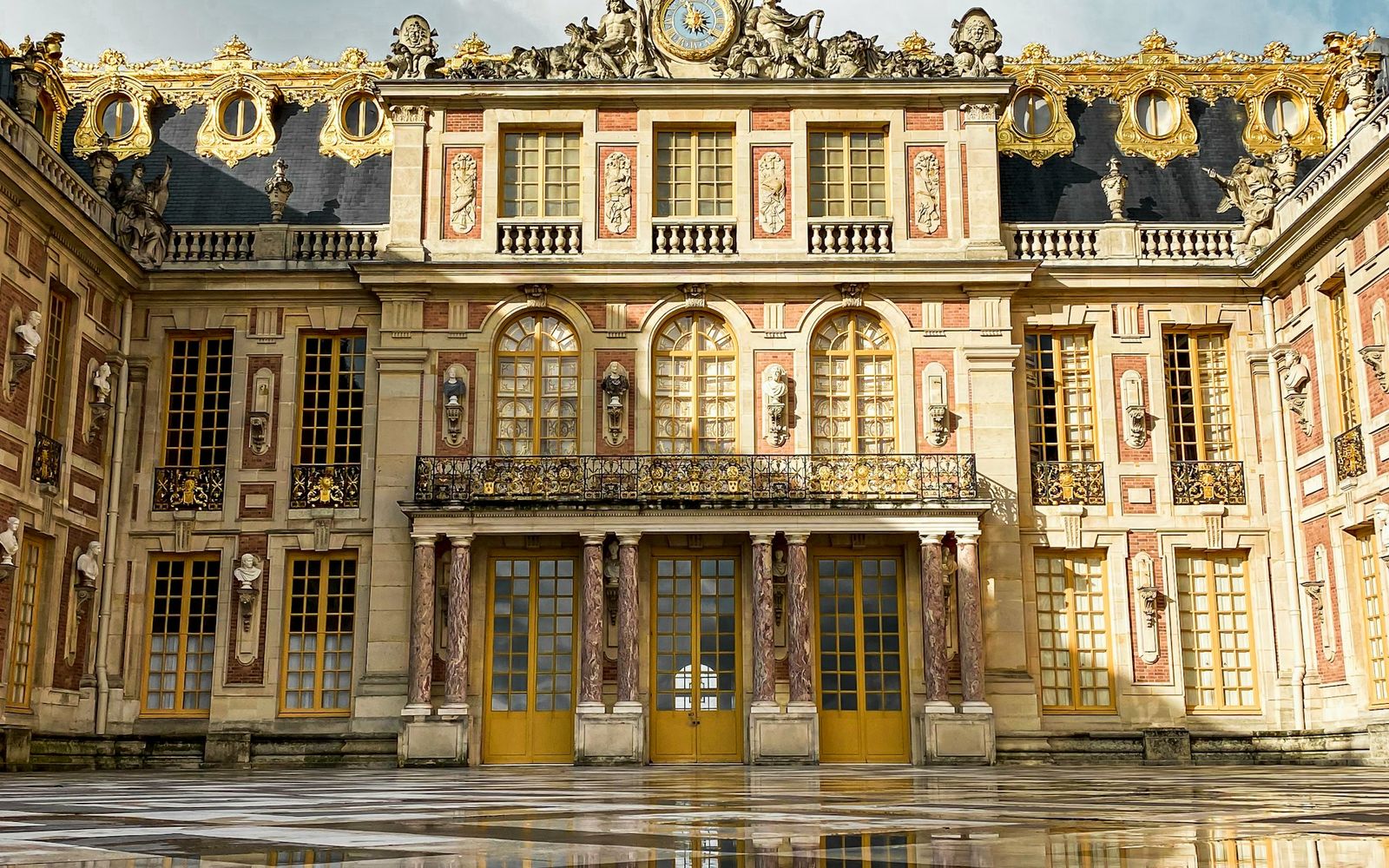
The Marble Courtyard of the Palace of Versailles
Photo: Unsplash
Entry 02

The Royal Apartments

The King's and Queen's state apartments run along either wing of the central block, each room a small lesson in how absolute a monarchy could get. In 1701 Louis XIV moved his bedchamber to the centre of the east façade, facing the rising sun, and court etiquette dictated exactly who was allowed to watch the lever du roi — the ritual rising of the Sun King.

The gardens and fountains of Versailles
Photo: Unsplash
Entry 03

Gardens & Fountains

André Le Nôtre began redesigning the gardens in 1661, in a geometry meant to be read from the palace windows as well as walked — Louis XIV himself later wrote a short guide, Manière de montrer les jardins de Versailles, setting out the order in which to show them. The whole estate covers about 800 hectares. Water was always short: fountain workers switched the jets on as the king's party approached, signalled by a whistle. The 17th-century reservoirs and gravity-fed pipes are still used, but modern pumps now circulate the water, and the fountains run only on show days — mostly weekends from April to November.

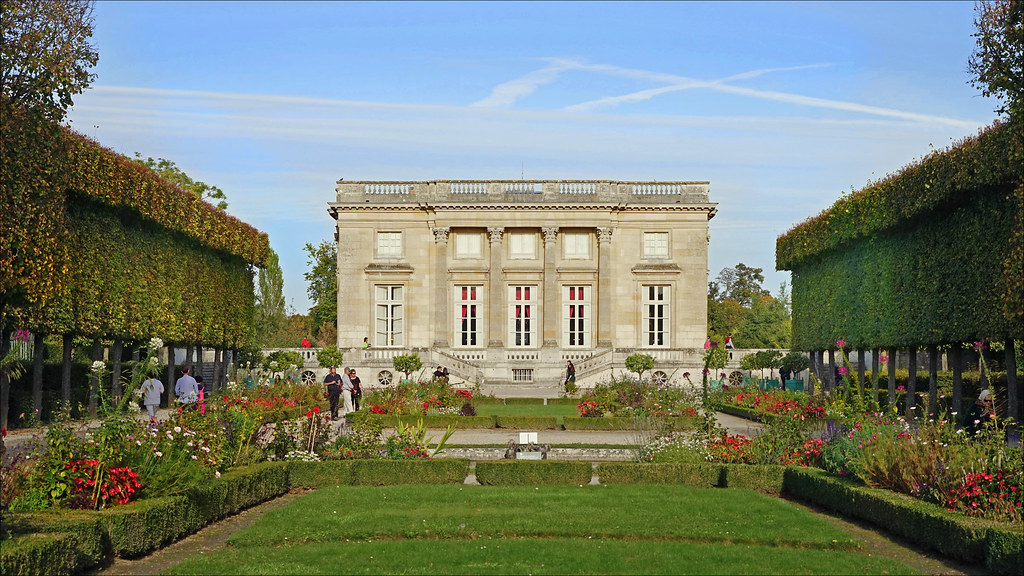
West façade of the Petit Trianon at Versailles
Photo: Le Petit Trianon (Versailles), Jean-Pierre Dalbéra (Flickr), CC BY 2.0
Entry 04

The Trianon Estate

Two smaller palaces sit apart from the main château, built as an escape from the main court's formality. The Grand Trianon was built for Louis XIV by Jules Hardouin-Mansart in 1687–88. The Petit Trianon, designed by Ange-Jacques Gabriel and built 1762–1768 for Madame de Pompadour, who died before it was finished, was given by Louis XVI to Marie Antoinette in 1774 — one of the few places at Versailles where she could receive guests without the full weight of court protocol.

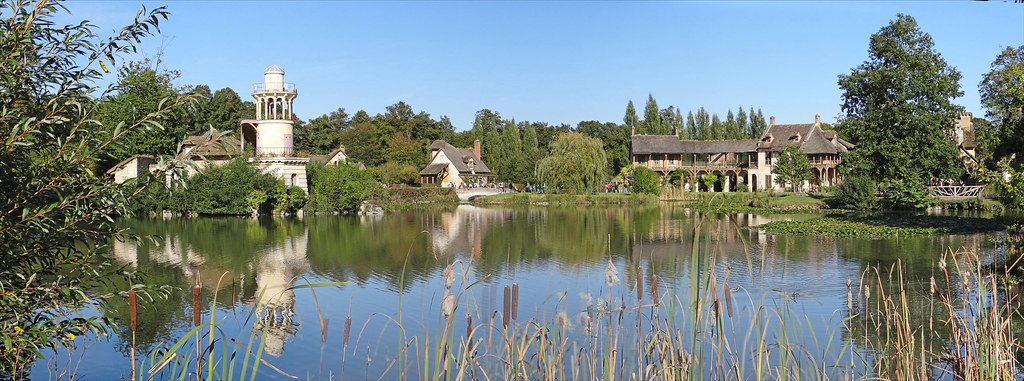
Hameau de la Reine, the Queen's Hamlet at Versailles
Photo: Le hameau de la Reine (Versailles), Jean-Pierre Dalbéra (Flickr), CC BY 2.0
Entry 05

The Queen's Hamlet

A fake village, built 1783–1786 by Richard Mique for Marie Antoinette, with a working farm and dairy beside ornamental cottages (the mill was largely decorative) designed to look rustic while hiding comfortable interiors. It reads as pure excess, and partly was — but it also reflects a real 18th-century fascination with rural life among people who never had to live it.

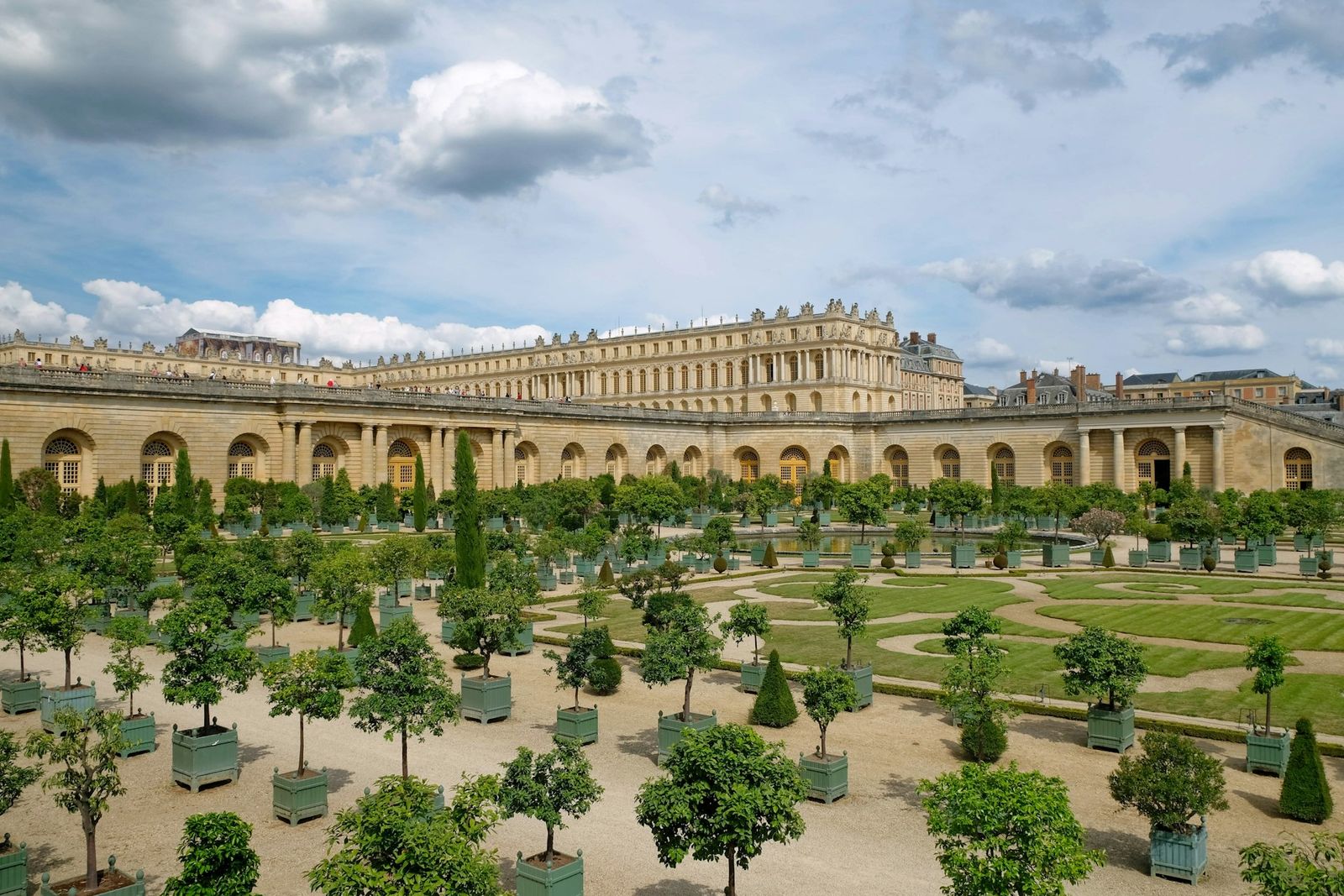
The Orangerie at Versailles
Photo: Unsplash
Entry 06

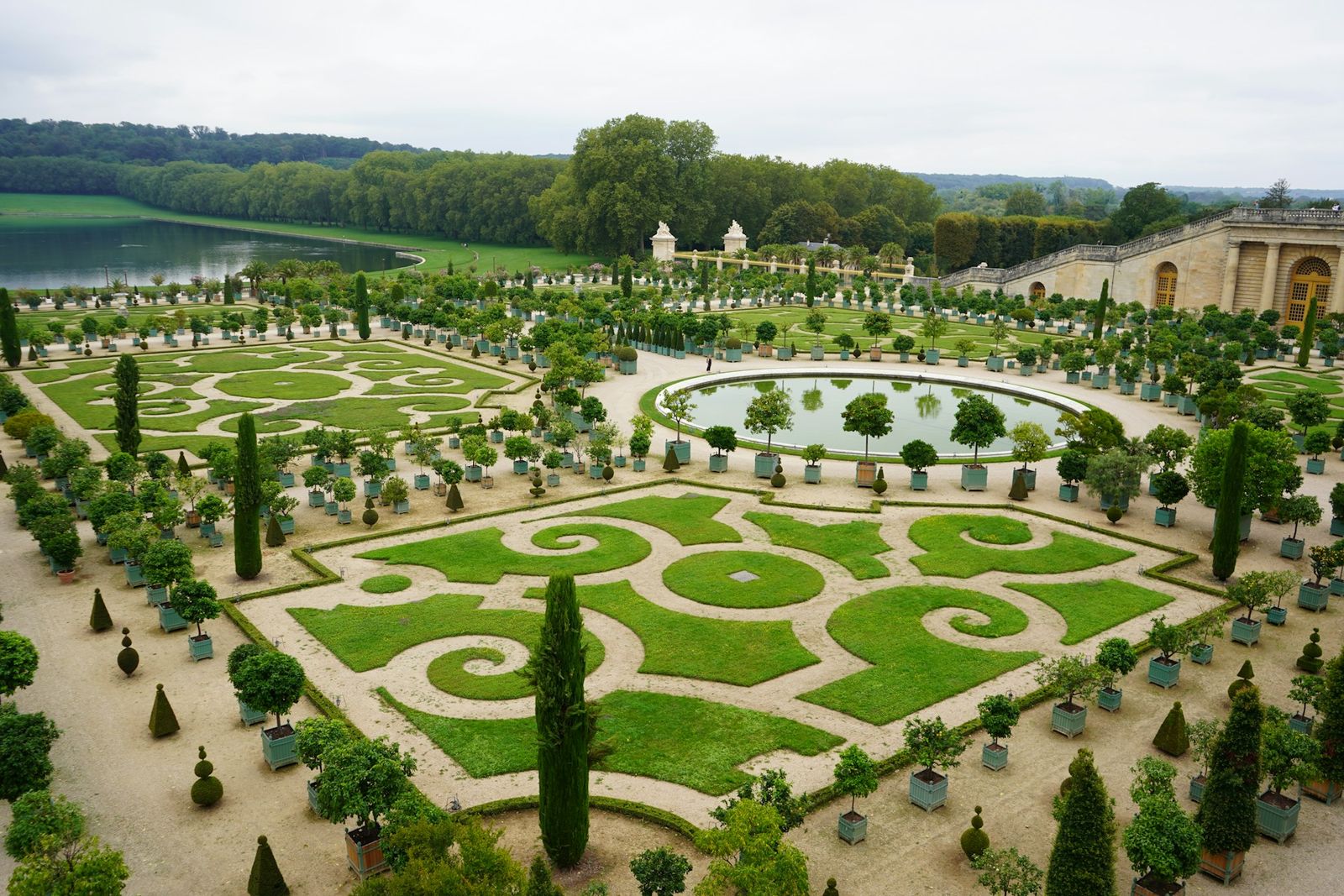
The Orangerie

Hardouin-Mansart rebuilt and doubled Le Vau's 1663 Orangerie in the mid-1680s, a vast vaulted gallery that shelters citrus trees through the winter. From May to October more than a thousand boxed orange, lemon, palm, pomegranate and oleander trees stand outside on the parterre; some are said to be over 200 years old, and the legendary "Grand Connétable" orange tree, also called the "Grand Bourbon", was said to date from 1421. The boxes are moved with lifting equipment. One of the few parts of the estate built for a purely practical purpose that still doesn't look like it.

Want to help pay for the gardens?

Membership is what pays for the parts of the estate that don't sell tickets.

See membership options